Hot-Dip Galvanizing for Road Infrastructure: Applications, Benefits and Long-Term Durability
Guardrails, safety barriers, signposts and other steel components used in road infrastructure remain exposed to the environment throughout their service life. Rain, moisture, temperature changes, atmospheric pollutants and, in some locations, de-icing salts make corrosion protection an important consideration from the design stage onwards.
Hot-dip galvanizing for road infrastructure provides steel components with a zinc coating designed to protect the underlying material during prolonged outdoor exposure.
Road infrastructure components suitable for hot-dip galvanizing
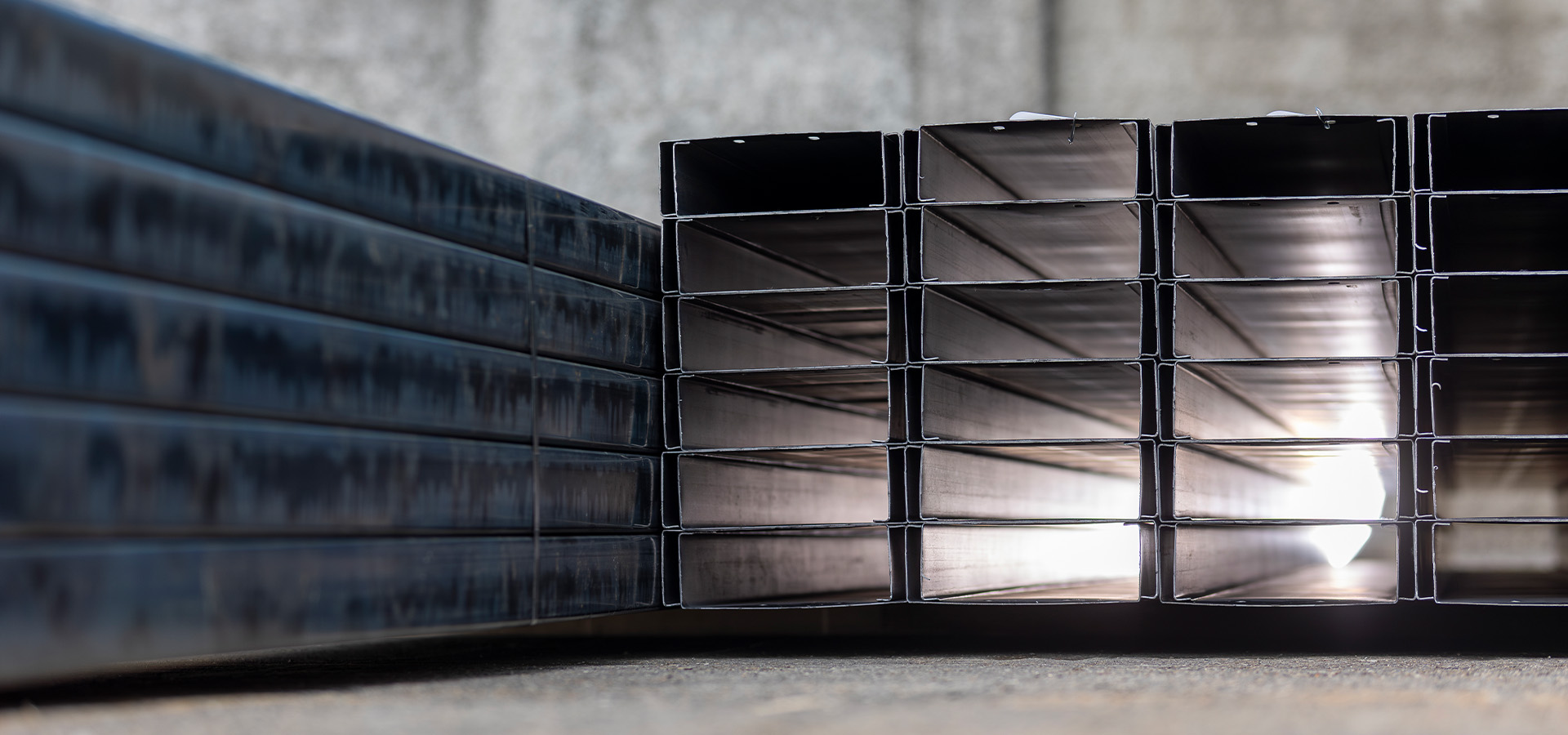
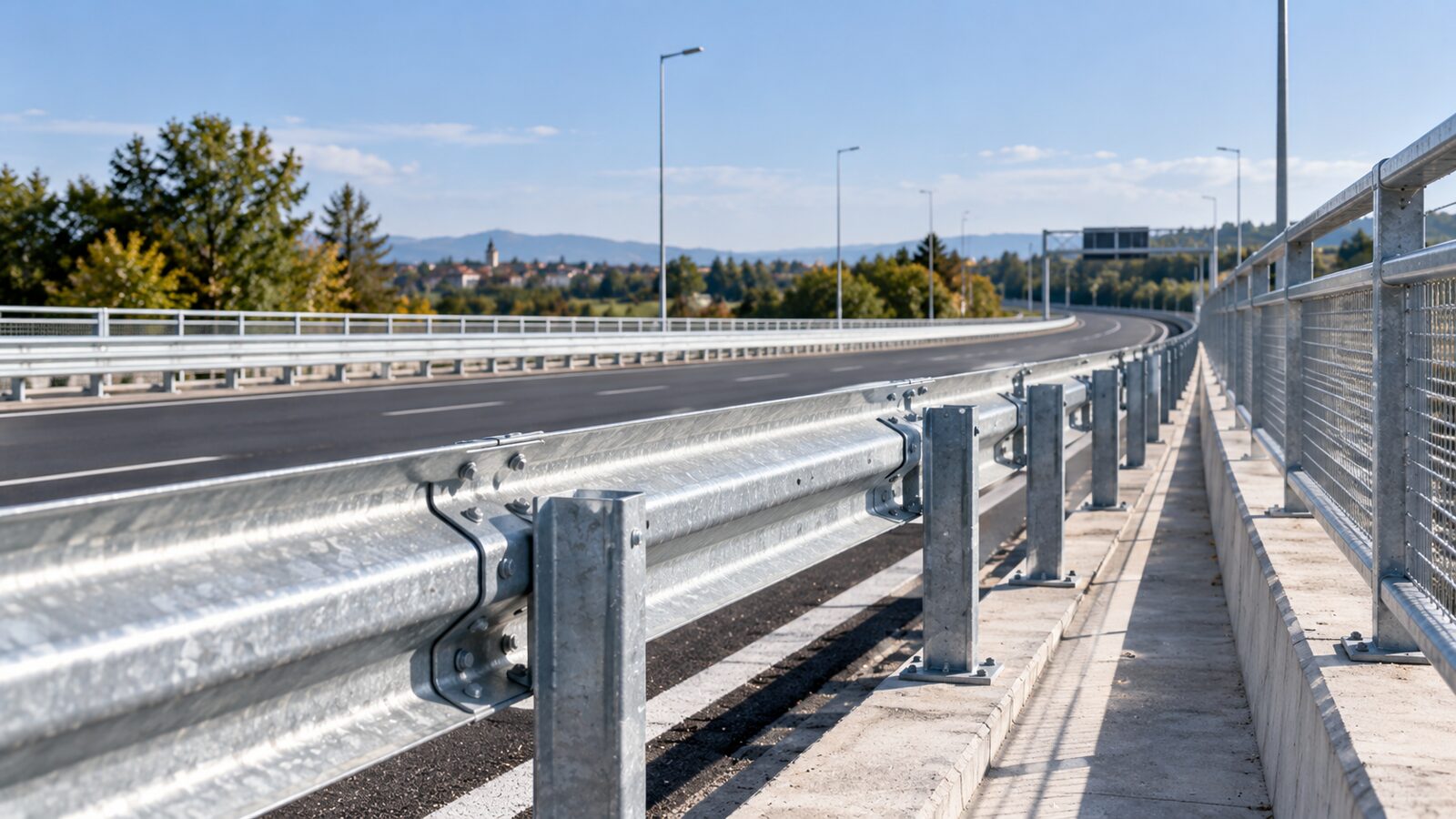
A wide range of fabricated steel components used in road projects can be hot-dip galvanized, including:
- guardrail and safety barrier components;
- signposts and supporting structures;
- steel frames and supports;
- parapets and protective structures;
- fencing and roadside barriers;
- supports for roadside equipment.
This versatility makes hot-dip galvanizing relevant to steel fabricators and contractors supplying components for infrastructure projects.
Zincol Lombarda specialises in the hot-dip galvanizing of steel components, pipes and light structural steelwork and provides technical support to customers throughout the process.
Why corrosion matters in road environments
Steel corrosion is an electrochemical process that requires moisture and oxygen. Its rate, however, is strongly influenced by the surrounding environment.
Roadside components may experience repeated wet and dry cycles, condensation, pollutants and deposits. Where de-icing salts are used, chloride contamination can create more demanding exposure conditions.
This becomes particularly relevant when structures are difficult or expensive to access. Maintenance may require traffic management, lane closures, specialist equipment or replacement operations. Extending maintenance intervals can therefore benefit both asset management and lifecycle planning.
Discuss your project’s galvanizing requirements with Zincol Lombarda
How hot-dip galvanizing protects steel
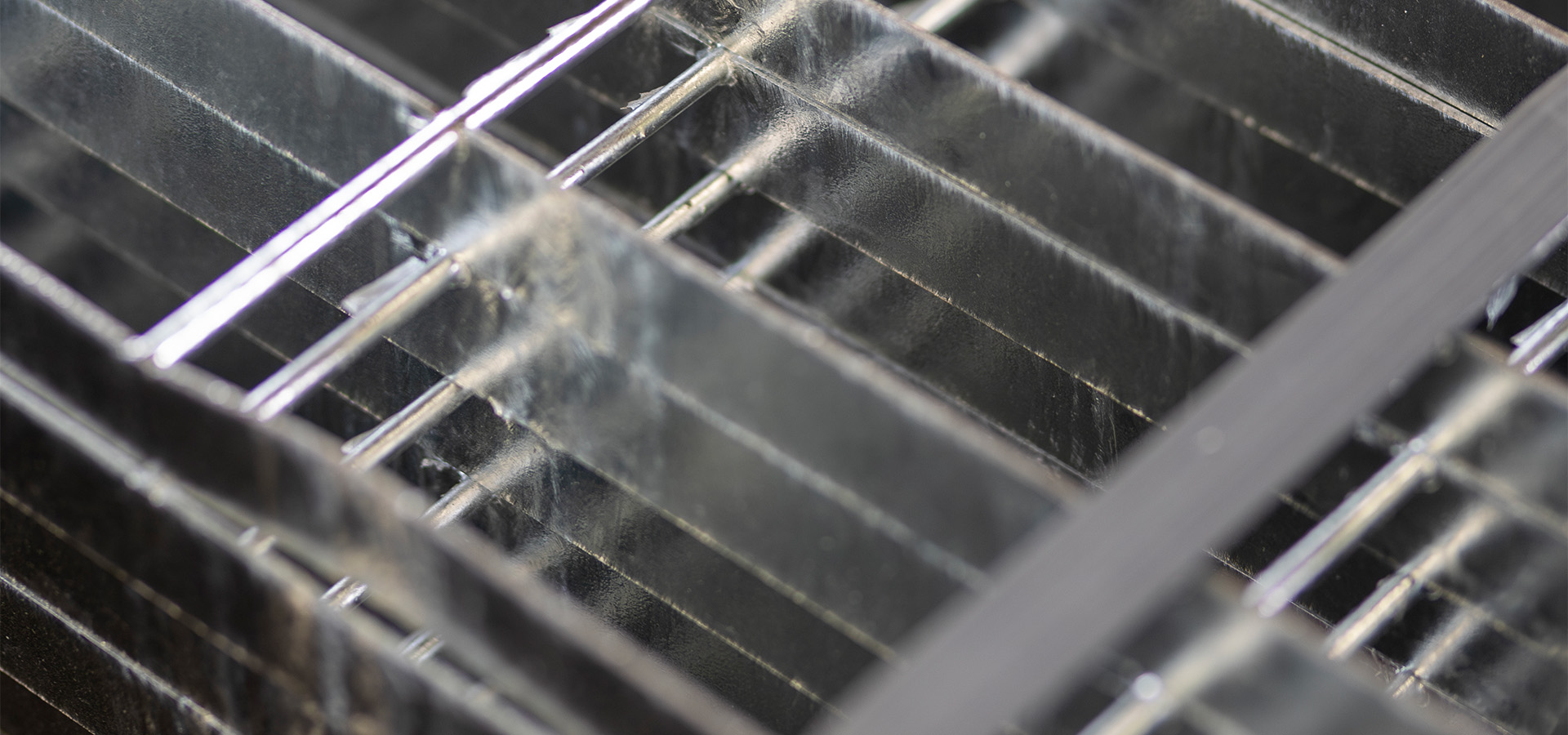
In hot-dip galvanizing, properly prepared fabricated steel is immersed in molten zinc, producing a metallurgically bonded coating.
The resulting corrosion protection operates in two complementary ways.
First, the zinc coating provides barrier protection, separating the underlying steel from moisture, oxygen and other environmental agents.
Second, zinc is electrochemically less noble than steel. It can therefore provide sacrificial protection to the steel substrate, including around small areas where the coating has been locally damaged.
This combination of barrier and sacrificial action is an important characteristic of zinc-based corrosion protection.
Durability depends on the exposure environment
There is no single service-life figure that applies to every galvanized component. Durability depends on factors including zinc coating thickness, environmental corrosivity, local exposure conditions and the characteristics of the component itself.
ISO 14713-1 provides guidance on zinc coatings and the level of corrosion resistance they can provide in different environments, linking coating performance with design and exposure conditions.
For road infrastructure, the local environment should therefore be assessed rather than assuming identical performance everywhere. Rural roads, industrial areas, coastal locations and sites subject to frequent de-icing salt exposure can impose significantly different corrosion stresses.
Where hot-dip galvanizing is appropriately specified, its long-term protective action can help extend maintenance intervals and reduce the frequency of coating repair.
Standards for hot-dip galvanized road components
For fabricated iron and steel articles within its scope, EN ISO 1461 is the principal reference covering the general properties and test methods of hot-dip galvanized coatings. The current international edition is ISO 1461:2022.
This does not mean that ISO 1461 alone defines all requirements for a road infrastructure component. Product-specific standards and project specifications may impose additional requirements. ISO 1461 itself recognises that specific product standards may incorporate or modify its coating requirements.
Corrosion protection as part of infrastructure design
For road components expected to remain outdoors for many years, corrosion protection should be considered alongside structural design, installation conditions and future maintenance requirements.
Addressing galvanizing requirements at an early stage makes it possible to consider component geometry, exposure and the required level of corrosion protection before fabrication is completed.